
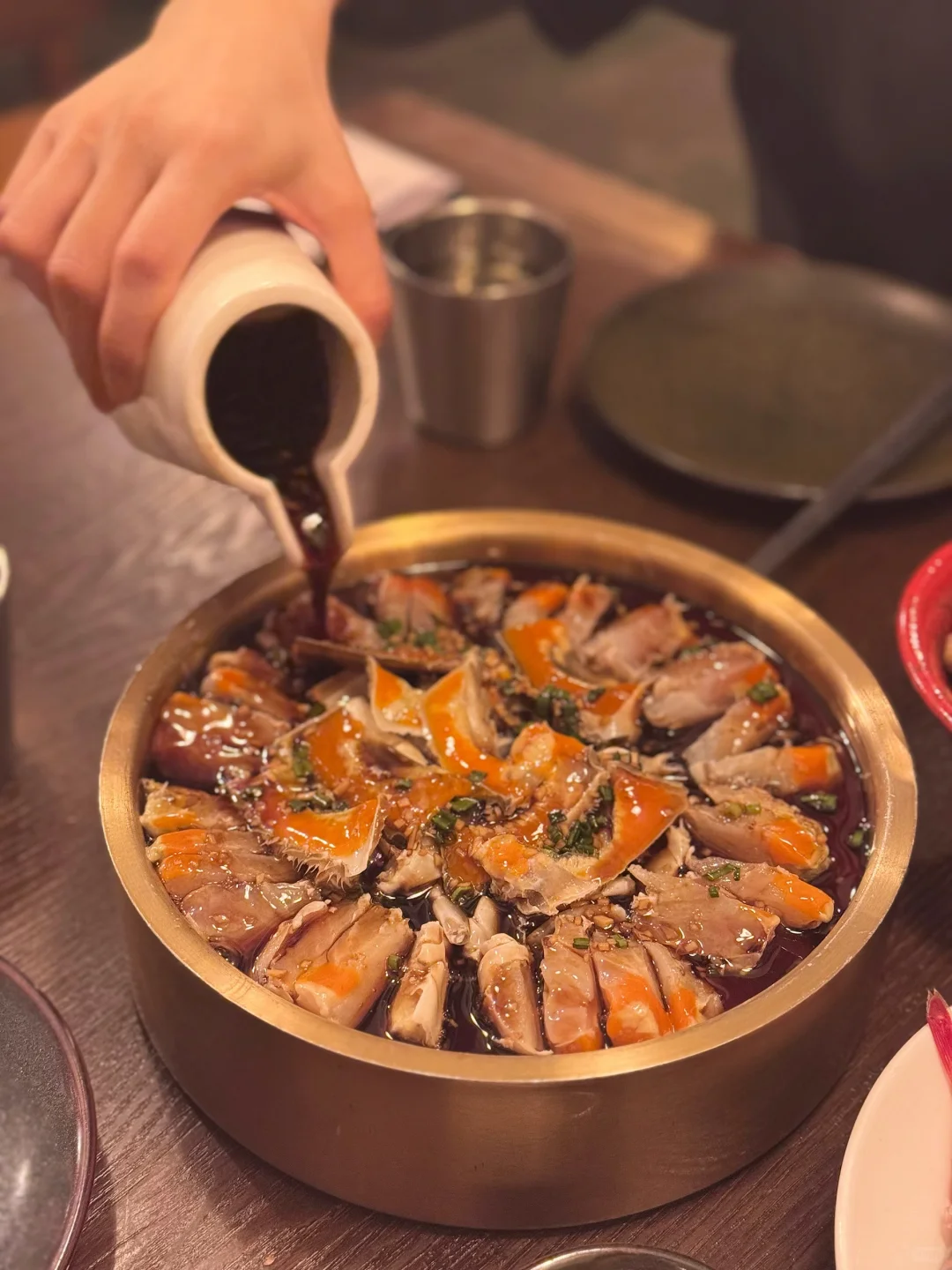
A Culinary Adventure at Shanghai Sandi Cup Restaurant
At the popular Sandi Cup restaurant in Shanghai, I delighted in a tasting of twelve signature dishes featuring both hit and miss flavors, creating a remarkable sensory experience.
A practical Shanghai vintage shopping route with antique shops, old books, wearable vintage, reservation notes, cash-only stops, photo etiquette and area planning tips.
For Shanghai vintage shopping, choose one neighbourhood and two or three confirmed stops for a half-day outing. This article combines earlier shop visits with cultural stops; confirm a shop’s current address, opening and booking requirements before travelling, and ask about photography and payment on arrival.
Route advice reviewed on October 1, 2026. The shop stories and purchase prices below are historical visit notes, not a current operating directory.
If you only have half a day, do not try to cover all nine stops. Use the list below as a route filter first, then open the shop details. The useful split is not "best shop" versus "second best shop"; it is whether you want serious antiques, wearable vintage, old books, or a low-pressure photo-and-browse walk.
| Traveler goal | Start here | Watch for |
|---|---|---|
| Real antique furniture or larger pieces | Xiaofangting Antique Shop or Qiman Zhi | Delivery, reservations and whether large bags are allowed |
| Books, paper goods and small souvenirs | T bookstore or Fulingnai | Weekend limits, Monday closures and small-cash backup |
| Pretty old-house route with photos | Qiman Zhi, Shanghai Conservatory of Music and Xujiahui Cathedral | Ask before taking photos and avoid commercial shoots |
| French-style tableware or small gifts | 75 Boutique Vintage | Confirm the current location, hours and payment options |
For a first Shanghai vintage shopping walk, I would keep the route to three or four stops and leave one cafe or meal break between them. These shops sit across Jing'an, Xuhui, Huangpu and Changning, so the day feels better when the route is built around one area cluster instead of a map full of saved pins.
The following earlier visit notes describe different neighbourhoods and types of objects. They are inspiration for a shortlist, rather than a sequence to follow across the city.
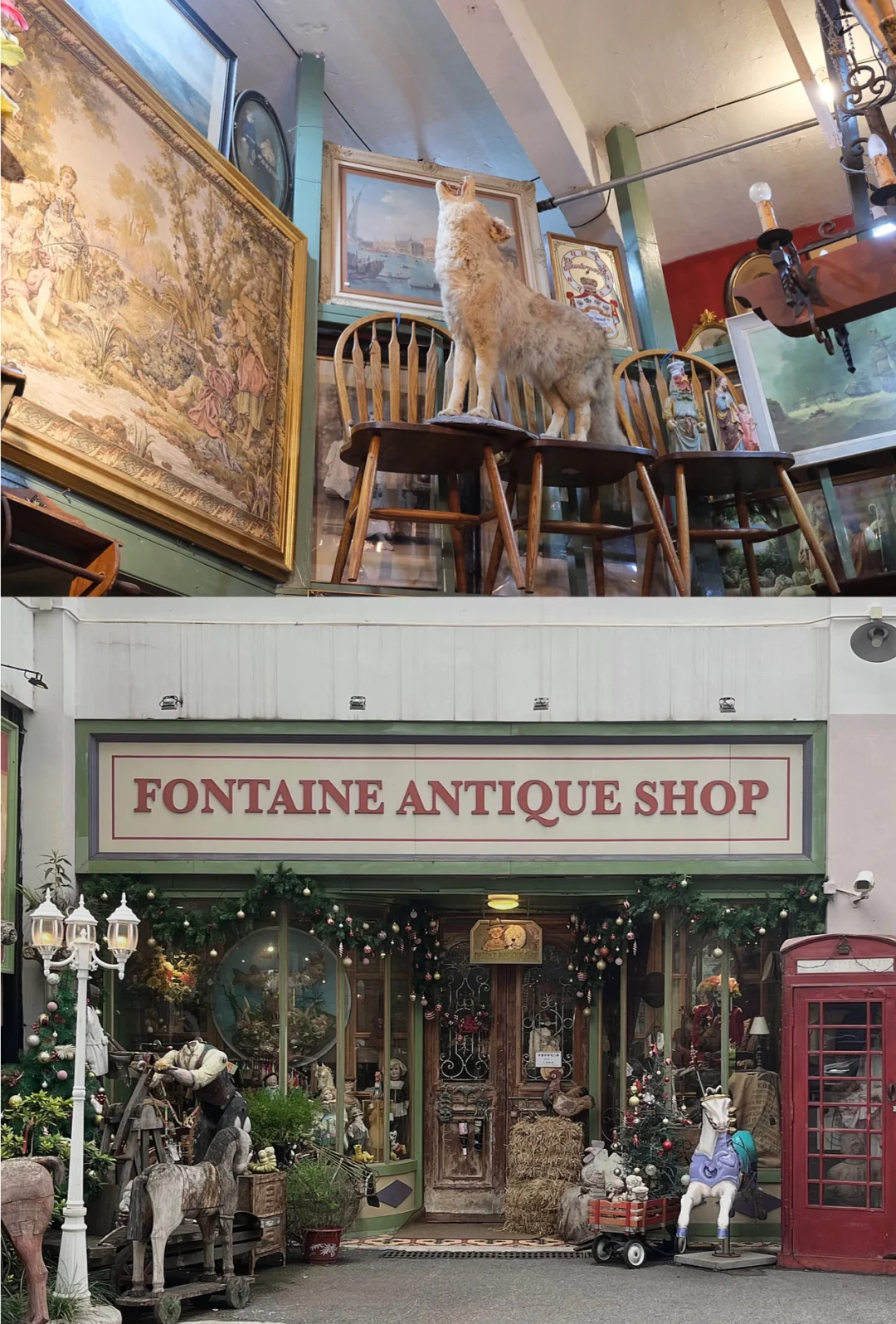
I arrived around 10 AM on Saturday, and there were already two SUVs parked outside with Shanghai plates, the owner was helping a customer load a 1920s French dressing table. The shop is dimly lit, filled with chandeliers, fireplaces, and church wooden chairs, and the air smells of old wood and beeswax. I immediately spotted a palm-sized brass angel candlestick, labeled “Belgium, 1890s,” priced in the low four digits. After a three-second hesitation, it was snatched up by an aunt nearby. Tip: The Xiaofangting Restaurant next door is run by the owner's daughter, opens at 11 AM, arrive early to grab a number, eat, and then head back to shop, the two places share a clean restroom, five-star in the antique world.
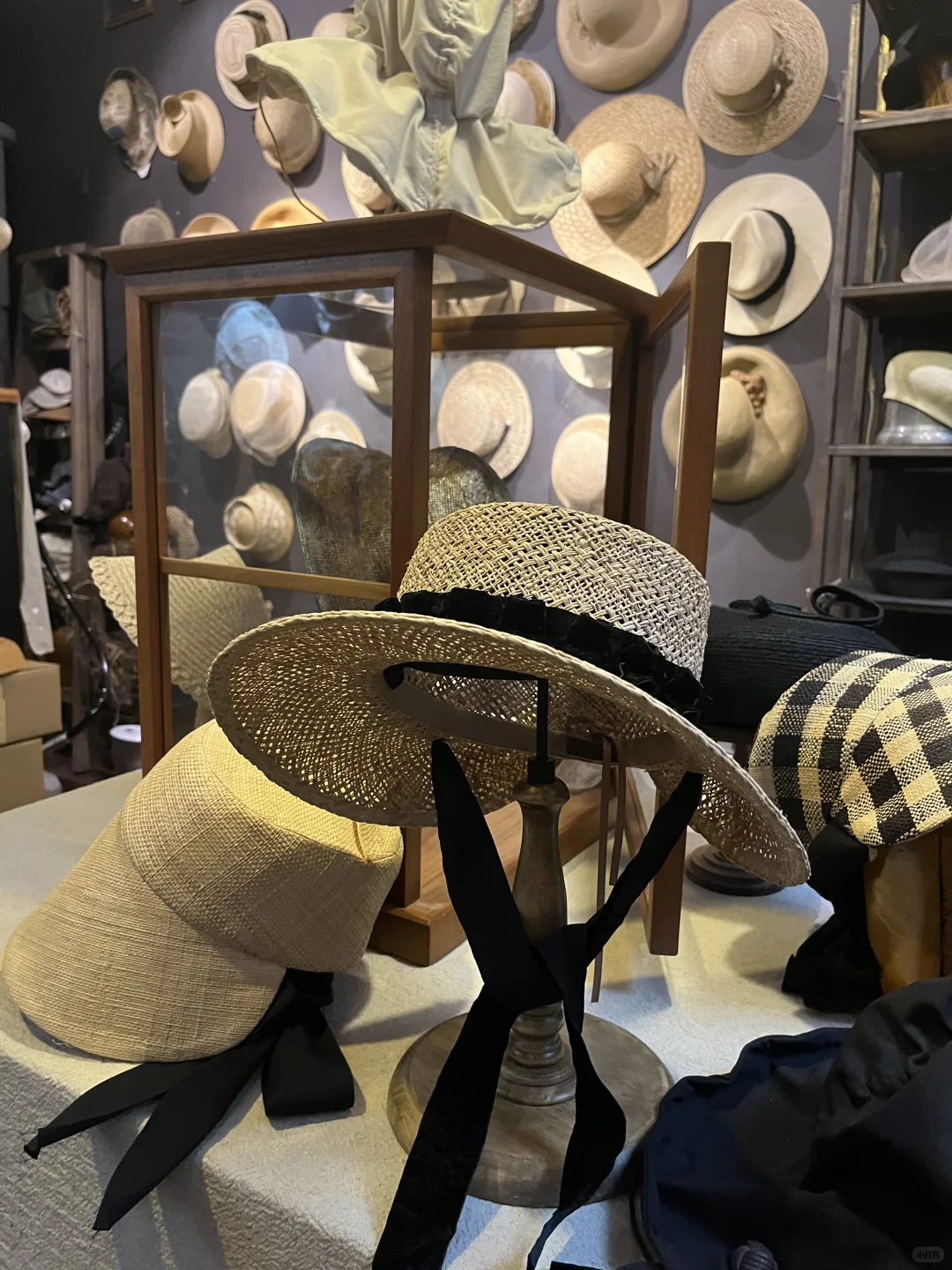
The entrance is right next to the Wulumuqi Middle Road Market. I squeezed in with a scallion pancake, went up the stairs and turned left, in this 18㎡ tiny room filled with felt, Panama, and hand-woven straw hats. The owner, Keruzzz, studied hat-making in Tokyo and let me try on a "moss green" wide-brimmed hat, and in the mirror, I instantly felt like the female lead in "The Lover." Prices range from 1k to 3k, can adjust the fit on-site, ready to take home in 30 minutes. Tip: Don’t wear a hoodie, the static will attract fibers, the owner will hand you a lint roller, and socially anxious folks may just die on the spot.
The bookstore is hidden on the second floor of an old building, the stairs are so narrow you can only walk sideways. About 80% of the books are original English and Japanese, I’m most familiar with the art, architecture, and film sections. Saw a 1960s vintage copy of Vogue priced at 600 RMB, but I couldn’t justify buying it after flipping through. By the checkout, there’s a bin of second-hand books, 50 RMB each, and I found a 1987 Kyoto travel guide with the previous owner's handwritten itinerary inside. Tip: Only accepts cash or Alipay, WeChat occasionally acts up; there's free stamping at the door, so bring a little notebook.
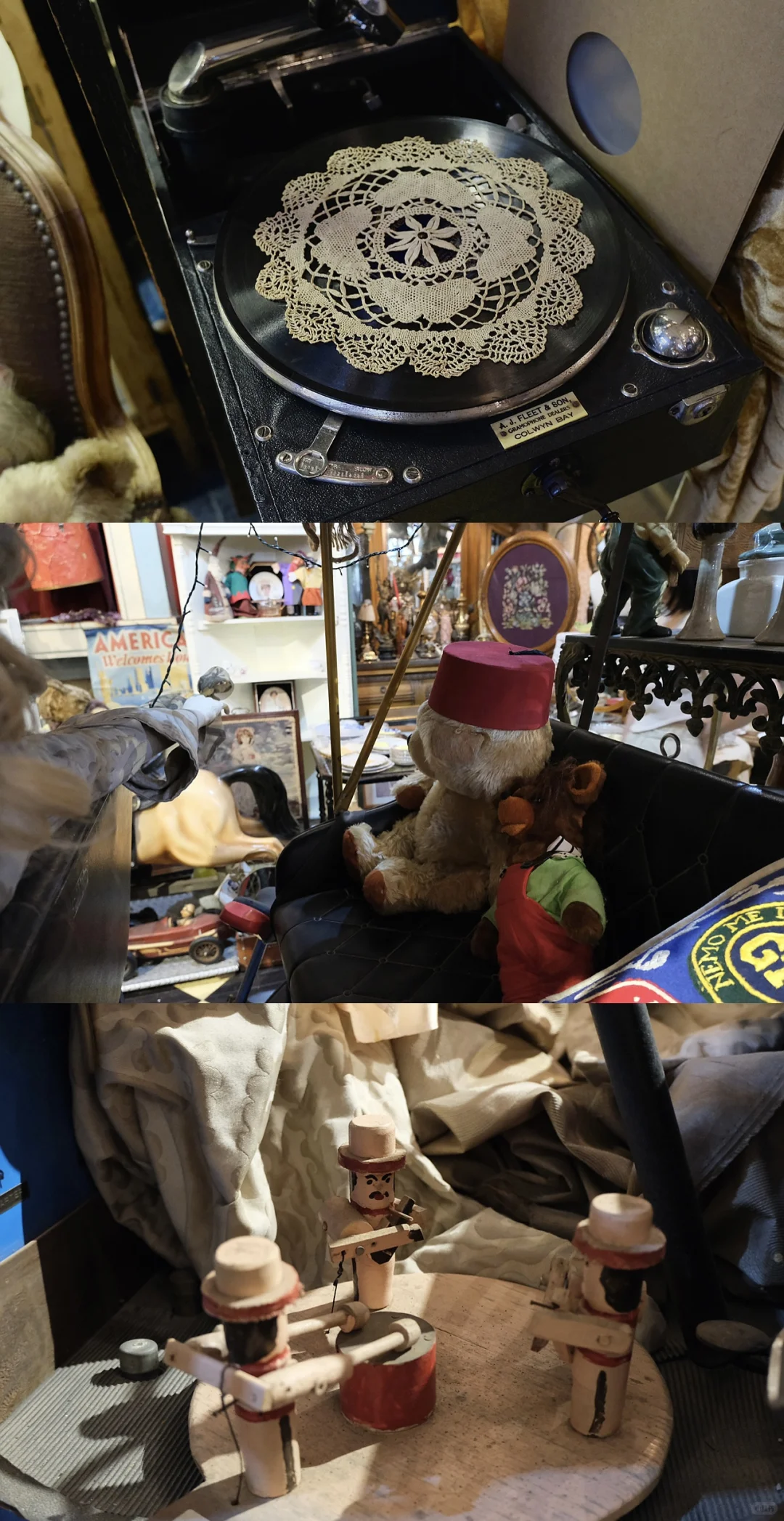
The facade has mint-green iron windows, the doorbell chimes when you push it. The glass cabinets are filled with Western toys from the 1920s to 1970s: ceramic bunnies, tin soldiers, mini typewriters; everything’s hands-on. I bought a 1960s French plastic angel brooch for 80 RMB, the owner wrapped it in brown paper and sprayed a bit of perfume for added charm. Tip: No bargaining, but if you spend over 300 RMB you get an old postcard, you can pick the design.
The entrance is situated in the trendy Wutong area. After pressing the buzzer, the attendant opens the door. Inside this 1920s French-style house, Shanxi old carpets are laid out, and Ming dynasty huanghuali tables and Qing dynasty Su embroidery screens are displayed casually, the lighting makes it feel like a museum. I stared at a Qianlong period red lacquer table for ten minutes, the wood grain resembling a landscape painting. Tip: No backpacks allowed, there are lockers at the entrance; photos are allowed, but don’t photograph the staff, they wear Song dynasty brocade robes, which can make it look like you're time-traveling.
The store looks like it spilled a paint palette everywhere, Japanese artisanal creations, vintage kimonos, handmade glass items, and embroidered jackets all displayed together. I came for a hat named BaraironoBoushi, but ended up also buying a handmade patchwork jacket, priced over 4k. Cash only, so I had to run to the ATM next door. Tip: There’s only one fitting room, which can mean a 20-minute wait during peak season, pick out larger pieces first, then accessories for maximum efficiency.
The campus isn’t huge, with teaching buildings from the 1910s featuring red walls and green tiles, and the window frames are natural wood colored, making for a perfect photo opportunity. I went on a Friday afternoon, and the sound of piano practice drifted from the rehearsal halls, I sat in the long corridor, flipping through the old books I’d just bought, 20 minutes of peace without interruptions. Tip: No commercial photography allowed, leave the big cameras behind; there’s a student coffee stall beside the playground, American coffee for 10 RMB, half the price compared to outside.
The twin towers in Gothic style, with stunning colored glass domes inside. I’m not a believer, but when the organ starts at 11 AM, it gives me goosebumps. Tip: Skirts must be knee-length and shoulders covered, they have free scarves at the entrance; selfie sticks are prohibited, but you can use your phone, just don’t use flash.
A 30㎡ small living room, filled with French antique dining plates, coffee cups, and milk jugs organized by color scheme, mint green, nude pink, and creamy white are visually soothing. I picked up a set of 1950s French Limoges coffee cups and saucers for 380 RMB, and the aunt wrapped it like candy in old newspaper. Tip: Cash only, there’s no ATM nearby, be sure to bring enough; if you buy more, you can haggle a bit, the aunt might say, “Sister, pick another one for 20 RMB off.”
Choose one area after confirming the current pins of the shops you want to visit. Leave space for a cafe break and an alternative stop if a small shop is closed. The nine places above span several districts; they are not a single walk.
| Route choice | Useful plan | Before leaving |
|---|---|---|
| Antique furniture or collectable objects | Choose one specialist shop and a nearby meal | Ask about provenance, condition, delivery and the current address. |
| Hats, clothing or accessories | Pick two shops within one area | Confirm appointment needs, fittings and payment methods. |
| Books and small souvenirs | Combine a bookshop with a nearby browse | Check current stock, opening hours and photography permission. |
| Cultural buildings | Choose Xujiahui Origin as a separate outing | Check visitor access rather than assuming every campus or church is freely open. |
The Shanghai government lists Xujiahui Cathedral at 158 Puxi Road in its Xujiahui Origin guide. Visiting a church is different from joining a service; check visitor access and respect worshippers. Do not assume the earlier campus visit described above remains open to general visitors.
Design Shanghai’s 2026 city programme includes 75 Boutique Vintage among its Xuhui design spaces. This is a reason to check the shop’s current location rather than follow the earlier North Shaanxi Road address. The programme confirms participation at that time, not today’s hours or booking rules.
Save each confirmed Chinese address in a current map app and check travel time between pins. Use the metro or a taxi as appropriate; the previous nine-stop timetable has been removed because it underestimated distances.
Carry a second payment option and some small RMB notes. Ask before photographing interiors or customers. For larger antiques, agree on delivery costs, packing, access and any export paperwork before paying. Booking success cannot be predicted from a phrase such as “vintage lover.”
This route clusters Shanghai antique shops and cultural spaces around Changshou Road, Wulumuqi Middle Road, Fuzhou Road, Yuyuan Road, Anfu Road, Yanping Road, Xujiahui and North Shaanxi Road.
Some small studios use appointments. Confirm directly for the specific shop; the earlier visit arrangements in this article are not a current booking policy.
Carry some small RMB notes and another payment method. Ask each shop what it currently accepts; this guide does not confirm that named shops are cash-only.
Explore curated city guides and local travel stories to plan your next China itinerary.
At the popular Sandi Cup restaurant in Shanghai, I delighted in a tasting of twelve signature dishes featuring both hit and miss flavors, creating a remarkable sensory experience.
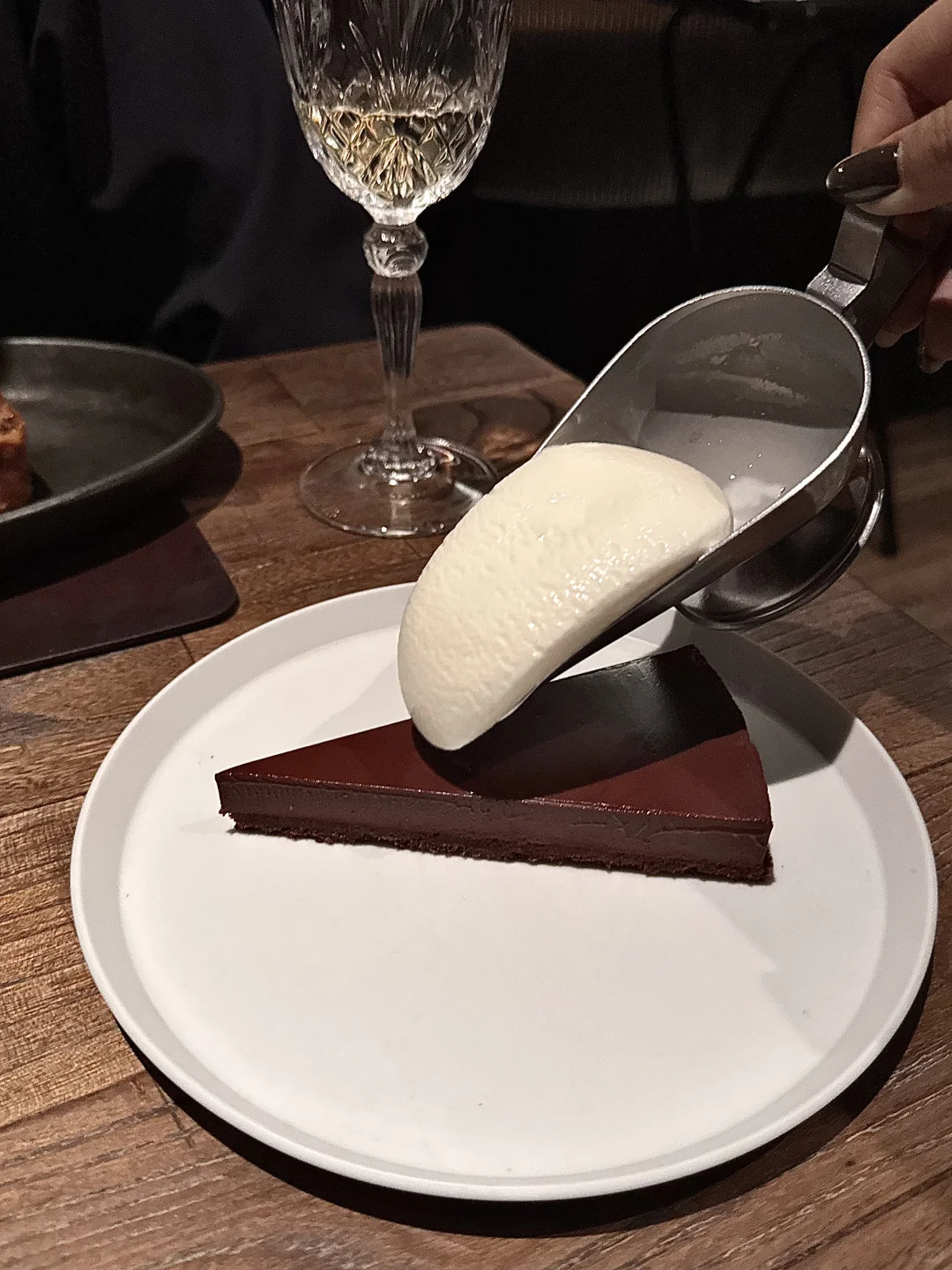
This article introduces stylish bistros in Shanghai, inviting you to indulge in exquisite French toast and perfectly grilled Wagyu beef throughout the city.
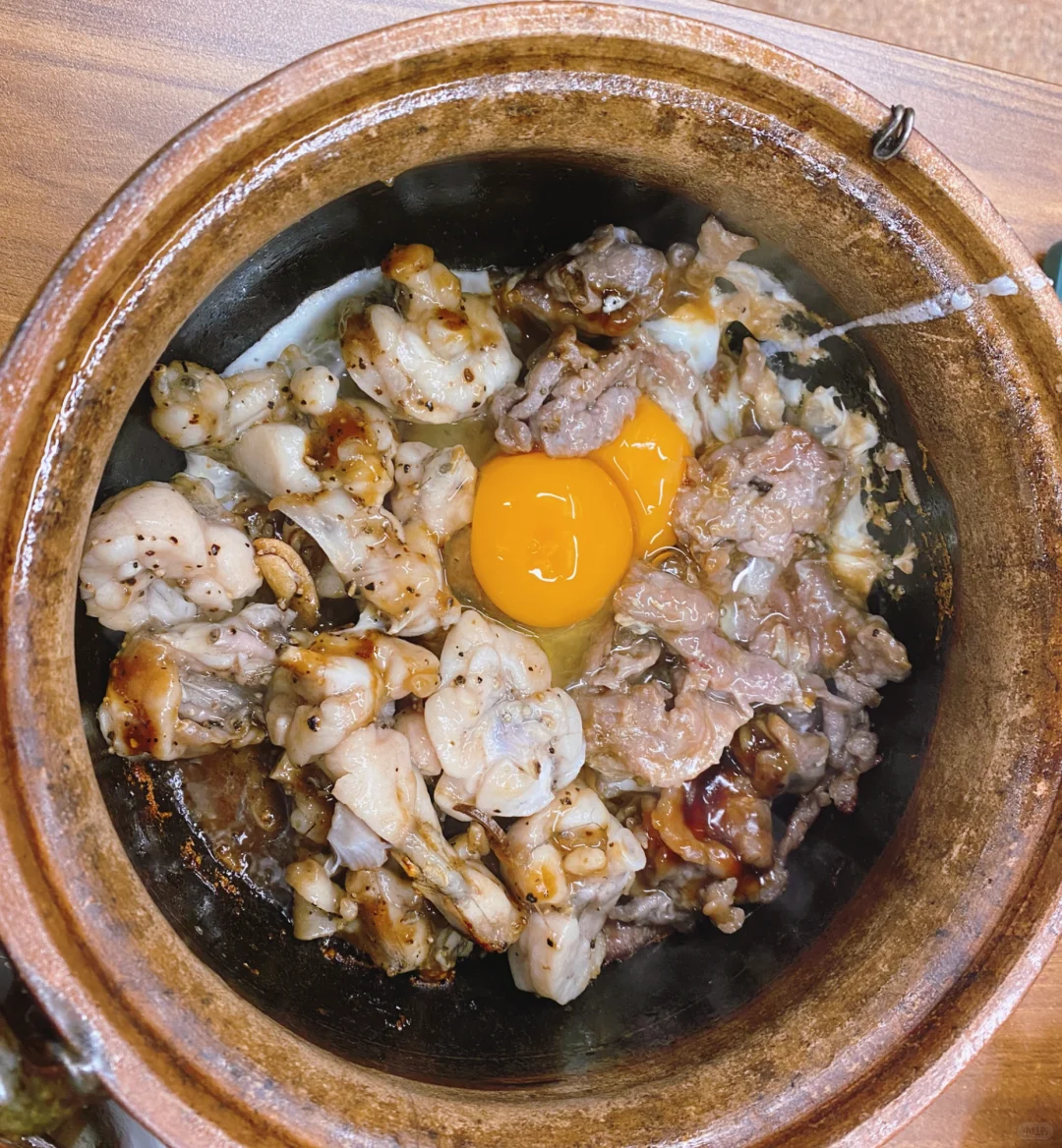
A practical Shanghai local pot rice and budget restaurant guide under 80 RMB, with what to order, metro access, queue timing, seasonal notes and a quick choice table.